
Dana Energy Receives Environmental Permit for Sohrab Oil Field Development
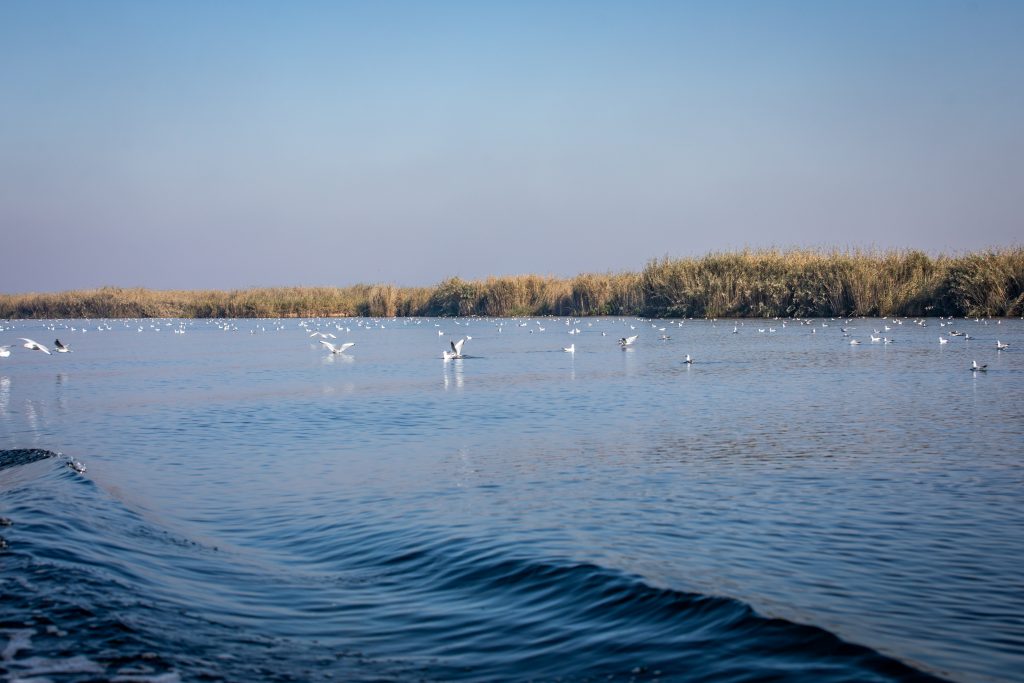
The development and production plan for Sohrab Oil Field has received its environmental permit, clearing one of the project’s key prerequisites for execution. The approval follows a redesign of the field development model aimed at reducing intervention in the Hour Al-Azim Wetland while advancing the project’s production objectives.
Developing the Field While Protecting Hour Al-Azim
The process of obtaining the environmental permit has been underway since the Sohrab development project began in 2021. During this period, an Environmental Impact Assessment (EIA) was carried out, and the field development plan was reviewed in cooperation with the National Iranian Oil Company, the Department of Environment, and the project’s executive teams. The objective was to develop a model that would enable the field’s development and production while minimizing intervention in the Hour Al-Azim Wetland.
One of the most significant outcomes of the redesign has been a reduction in the number of well pads from 23 to 6. As a result, the land area required for well pad construction has been reduced from approximately 69 hectares to 18 hectares. The new well pads have also been positioned alongside the existing border road, avoiding the need to construct new access routes within the wetland. The development plan has further reduced the number of new wells from 32 to 20 by accommodating multiple wells on each pad and applying advanced drilling technologies, including Rotary Steerable Systems.
Together, these changes are expected to reduce the project’s physical footprint, as well as its consumption of water, energy and drilling fluids, while lowering the volume of operational waste.
Technology to Reduce Environmental Impact
The revised development model incorporates a range of technical measures designed to manage waste and reduce environmental impacts.
These include the use of water-based drilling fluids, a Zero Discharge approach to waste management, downhole pumps, and a three-phase transportation system based on multiphase pumping technology.
The use of these systems is also expected to reduce the number of processing, separation, measurement, water injection, and gas injection facilities required within the wetland. A significant portion of the project’s supporting infrastructure will instead be located outside the protected area.
Other environmental measures include the installation of a 33 kV underground power transmission line and the location of accommodation camps, workshops, the multiphase pumping station and waste management facilities outside the protected zone.
The Next Phase of Development
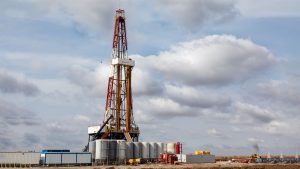
Drilling operations are currently underway on a new well at one of the Sohrab Field’s well pads. Contractors responsible for constructing new well pads and oil transmission pipelines are also preparing to begin their work. With the environmental permit now in place, planning for expanded field activities and the deployment of a second drilling rig has entered a new phase. The project’s initial production target is 15,000 barrels of oil per day, followed by a planned increase to its ultimate production capacity of 30,000 barrels per day.
The environmental permit marks an important milestone for the Sohrab Field. It enables the project to move forward under a development model designed around two simultaneous requirements: advancing energy production and reducing intervention in the Hour Al-Azim ecosystem.
The Sohrab Oil Field development was awarded to Dana Energy under a 20-year IPC contract and is one of the company’s key upstream projects. Beyond removing one of the project’s main development barriers, the approval reflects ongoing collaboration among the project’s management and executive teams, the National Iranian Oil Company, the Petroleum Engineering and Development Company, and the Department of Environment to establish a more balanced approach to field development and environmental protection.
We Answer Your Questions